

- Written by: The Word Sleuth
- 20 October 2025
- Categories: Insights
- Tags: , Authentic Storytelling, Paid Media, SEO
Uncovering the Truth: Why Authentic Storytelling Trumps Paid Media
The Shift in Consumer Behaviour and the Power of Stories
In a digital world over-saturated with ads, pop-ups, polished campaigns, and constant brand noise, a profound shift is taking place. Consumers are developing a well-documented immunity to traditional advertising, often described as ad fatigue. Banner blindness, high ad-blocker adoption, and scepticism toward overtly branded content are now the norm. Yet, amid this landscape, one approach consistently breaks through the clutter: authentic storytelling that expresses values and purpose. As contemporary research across marketing, psychology, and digital behaviour shows, stories don’t just entertain—they build trust, forge emotional bonds, and inspire action.
We delve deep into why authentic storytelling is more effective than paid media in today’s digital economy. Drawing on a vast range of studies, case analyses, recent industry trends, and practical examples—including Patagonia, Nike, Warby Parker, and Dove—we’ll unpack the psychological drivers that make stories memorable and actionable. We’ll explore actionable frameworks for brand storytellers, concrete steps for integrating storytelling into your marketing, and the evolving SEO landscape that now favors value-rich narratives. Lastly, we’ll examine the essential role of user-generated content and community voices in building brand credibility and lasting advocacy.
Understanding Ad Fatigue: Why Paid Media is Losing Its Power
The Modern Epidemic of Ad Fatigue
In 2025, ad fatigue is a universal experience. Nearly every digital consumer reports encountering more ads than ever before. A recent survey shows that 91% of people feel that ads are more intrusive than just a few years ago. Americans are exposed to between 4,000 and 10,000 ads each day, and 31.5% of global internet users deploy ad blockers to protect themselves from this deluge.
Such relentless exposure leads to declining effectiveness. 59% of viewers report repeatedly seeing the same ads, causing annoyance and a 26% drop in purchase intent. Traditional paid media thus delivers diminishing returns, reducing trust and irritating, rather than attracting, potential customers.
Paid Media: Immediate, Track-able, but Increasingly Ignored
Paid media covers everything a brand pays for: display ads, paid search, sponsored content, influencer partnerships, and more. It offers precise targeting, rapid results, and clear metrics, such as CTR (click-through rate), CPC (cost per click), and ROAS (return on ad spend). This makes it easy to optimize campaigns for short-term gains, boosting visibility with predictable costs.
However, the downsides are now critical:
- High and rising costs: As digital ad placement becomes more competitive, CPC increases by up to 20%, while ROI drops.
- Declining trust: Most paid ads are perceived as untrustworthy or manipulative.
- Ephemeral results: Traffic and conversions stop when you stop paying; there’s no lasting brand equity.
- Consumer backlash: 61% of people are less likely to buy from brands who show the same advertisements repeatedly, and nearly half (49%) opt not to purchase from overexposed brands.
The Data: Fatigue’s Impact on Engagement and Loyalty
- 70% of consumers unsubscribed from at least three brands in the last three months due to overwhelming message volume.
- 79% of consumers have unsubscribed from a retail brand in the past 90 days — and 61% did so for more than three brands.
- Ad fatigue reduces click-through rates by 35% and increases acquisition costs by 20%.
- 76% of people stick with favourite brands, but nearly half try new brands weekly — often influenced by recommendations, not ads.
These trends highlight an urgent need for brands to move away from repetitive, broad paid media and toward approaches built on personalisation, relevance, and, most of all, authenticity.
Authentic Storytelling Versus Paid Media: Definitions and Core Differences
| Aspect | Authentic Storytelling | Paid Media |
|---|---|---|
| Trust Level | Very high—rooted in relatability and transparency | Generally low—seen as brand-centric and staged |
| Cost Structure | Often lower; long-term investment | High, ongoing spend |
| Longevity | Evergreen—stories keep engaging and ranking | Stops instantly when spend ends |
| Targeting | Organic—reaches engaged communities or audiences | Algorithm-driven; requires budget for continued reach |
| Emotional Impact | Strong, memorable, fosters brand affinity | Weak or negative if overexposed |
| ROI | Grows over time—brand, SEO, loyalty | Immediate, short-lived—limited brand equity |
| Content Source | Users, employees, real customers | Marketers, agencies |
| Credibility | Built on “earned media” (word of mouth, reviews, PR, UGC) | Seen as “bought attention” |
| SEO Value | High—value-driven, shareable, linkable | Short-lived, less shareable |
Brand Storytelling in Action: Iconic Case Studies
Patagonia: Sustainability as Narrative and Activism
Patagonia’s story is authenticity personified. Rooted in environmental activism, the brand:
- Priorities sustainability in every product, from organic materials to the celebrated “Worn Wear” repair-and-reuse initiative.
- Runs radical campaigns such as “Don’t Buy This Jacket”, challenging over-consumption and inviting customers (often) to buy less.
- Tells customer-driven stories: Patagonia platforms the voices of outdoor adventurers and environmentalists, sharing individual tales from #MyPatagonia or even stories of families passing down Patagonia gear.
- Commits to transparency: The “Footprint Chronicles” documents the environmental impacts of products, welcoming scrutiny and feedback.
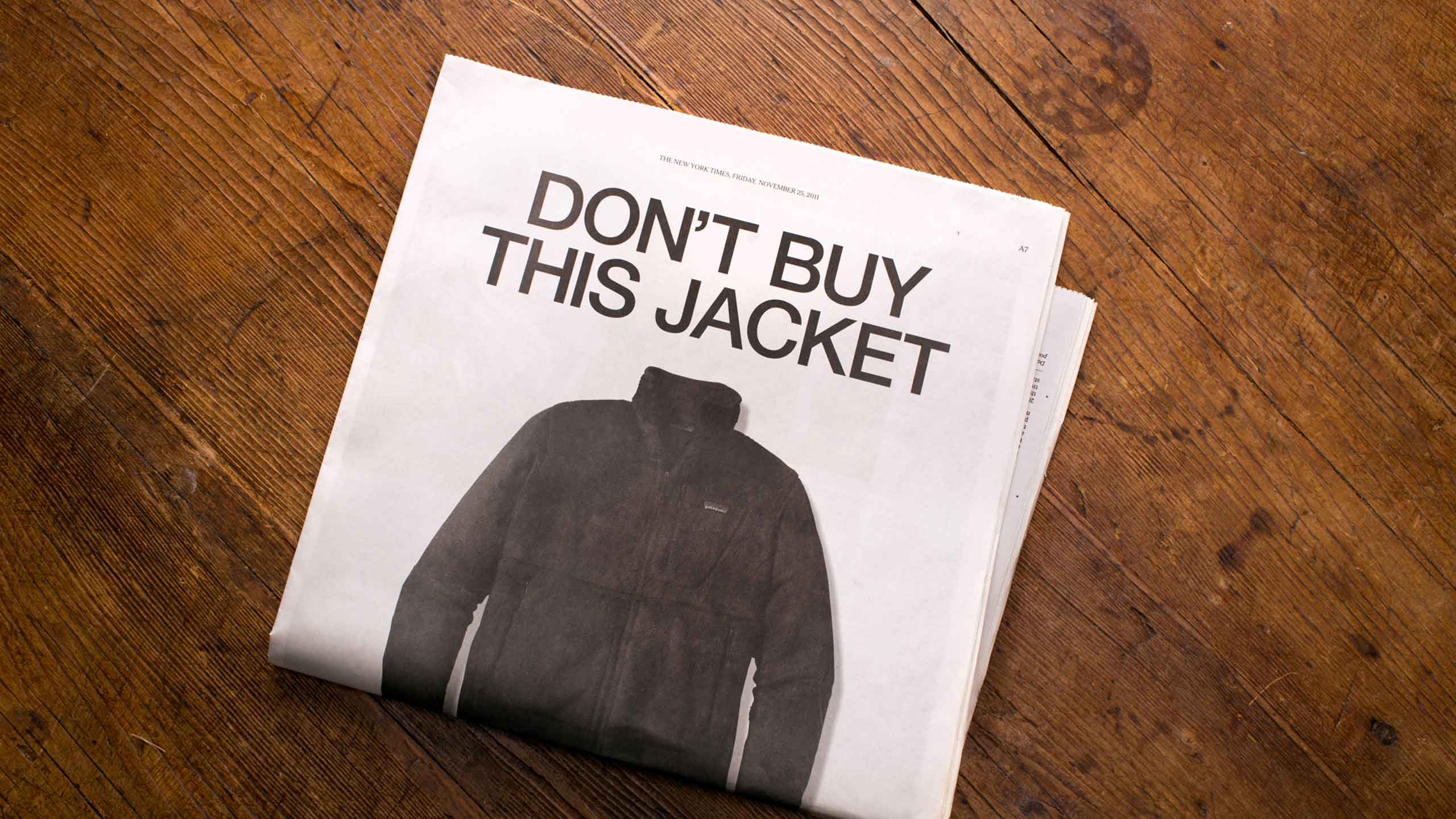
The resulting impact? Patagonia’s revenue climbed to $1.5 billion by 2022, with near-unprecedented brand loyalty and market-leading Net Promoter Scores. Their narrative has driven both sales and impact, showing how “doing good” and “doing well” increasingly go hand in hand for values-driven brands.
Nike: The Power of Inspirational, Inclusive Brand Stories
Nike’s iconic campaigns have always put the individual’s journey at the centre:
- “Just Do It” and, recently, the “Dream Crazy” campaign with Colin Kaepernick, shift the brand from selling shoes to selling possibility, activism, and personal resolve.
- Story-driven ads showcase not just global superstars (Serena Williams, LeBron James), but also everyday heroes breaking barriers and overcoming adversity.
- The campaigns don’t shy away from controversy—staking a bold position on social justice—resulting in short-term backlash but massive long-term brand growth and loyalty, especially among Gen Z and Millennials.
Nike’s approach confirms that brand stories with emotional stakes, real conflict, and authentic voices spark engagement and advocacy far beyond what paid placements alone can achieve.
Warby Parker: Social Enterprise and Customer Co-Creation
The Warby Parker story is one of democratising vision and championing social good:
- From the start, Warby Parker identified a real villain: eyewear monopolists leading to inflated prices.
- The brand’s narrative is transparent—affordable, stylish glasses for all, with a clear Buy a Pair, Give a Pair social impact model.
- Innovation in the customer experience (the free Home Try-On program), together with cheeky, engaging content (April Fools’ “Warby Barker”), fosters not just sales but customer advocacy.
- Customers are core to the story: Community-driven UGC with hashtags like #WarbyHomeTryOn and #WearingWarby creates a sense of fun and inclusion.
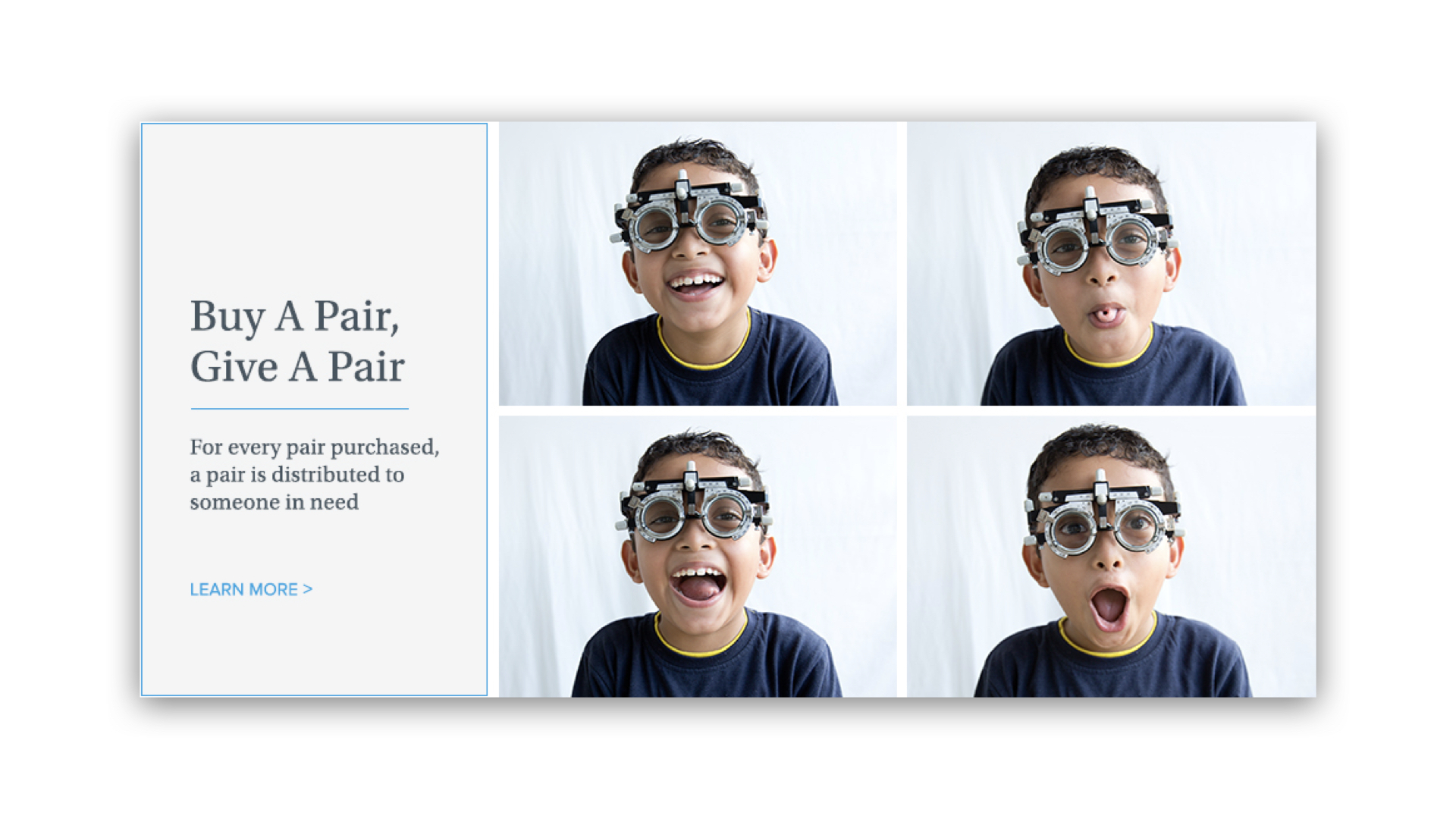
Result: Warby Parker built a cult following, regularly tops brand trust indexes, and proves that a customer-driven narrative can unseat giants, even in commoditised markets.
Dove: Redefining Beauty With Emotional Honesty
The Dove Real Beauty campaign is perhaps the best-known example of storytelling as brand transformation:
- Launched in 2004, Dove shifted from product pitches to advocacy, featuring real women, real bodies, and challenging beauty stereotypes.
- Viral videos (“Real Beauty Sketches”), user selfies, and workshops on self-esteem made the brand part of a cultural conversation, not just a personal care player.
- The campaign generated a 10% revenue boost in one year and is still cited as a benchmark for emotionally resonant, purpose-driven marketing.
What set Dove apart was honesty—the willingness to celebrate imperfection and be vulnerable—making their story both relatable and shareable.
Conclusion: Authentic Storytelling Isn’t Optional—It’s Essential
The age of shiny ads is over; audiences now tune out paid media and tune in to stories that are real, relatable, and reflective of their own values and beliefs. Authentic storytelling is the beating heart of modern marketing: it is discoverable, shareable, and memorable in a way paid media simply can’t match.
This isn’t about abandoning advertising altogether. The most agile, future-ready brands use a blend—a “story-rich, ad-light” approach where trust is the true currency and stories are the engine. As seen from Patagonia’s activism and Nike’s bold stance, to Dove’s inclusivity and Warby Parker’s social impact, powerful stories build movements, not just market share. And as new technologies, platforms, and consumer expectations evolve at breakneck speed, the fundamental human hunger for narrative connection only grows stronger.
For brands, agencies, and content creators: The companies that will endure and thrive are those that master the art, science, and soul of authentic storytelling, placing people, not products, at the centre of every campaign.